Last updated on August 4, 2025
Join our WhatsApp community and be part of the conversation!
In today’s football world, superstar players often trademark their names and image — especially globally recognized brands like CR7.
Image credit: World Soccer Talk
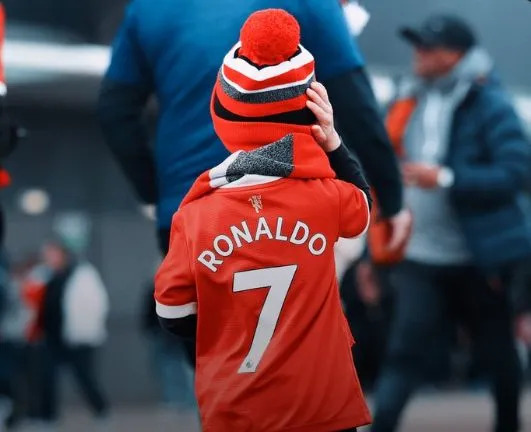
Manchester United fans heading to the club’s megastore this season might notice something strange: you can’t get Cristiano Ronaldo’s name printed on the back of the new 2025/26 shirt.
It’s not a mistake — and it’s not personal. The reason is legal.
Licensing Rights Over Legends
Ronaldo, like other iconic ex-United players such as David Beckham and Eric Cantona, owns the commercial rights to his name.
That means the club cannot legally offer his name or number for printing on new jerseys unless they strike a licensing deal.
💥 Love the Premier League? Stay Ahead of the Game – Join the Ultimate EPL Fan Newsletter!
This applies to official club stores, including Old Trafford and the online megastore.
taff have reportedly been instructed to decline custom printing requests involving Ronaldo, Beckham, or Cantona, citing “licensing restrictions.”
It’s not an isolated case.
In today’s football world, superstar players often trademark their names and image — especially globally recognized brands like CR7.
Unless a club negotiates the right to use those trademarks commercially, they’re off-limits.
You can no longer have Cantona, Beckham or Ronaldo printed on your shirt by Manchester United. 🤷♂️ pic.twitter.com/8S6AtqMIiL
— Paul Manc Bald and Bred (@MufcWonItAll2) August 1, 2025
What Fans Can and Can’t Do
Fans can still get current players’ names on their shirts — think of Rashford, Fernandes, or Højlund.
But anything involving retired legends with trademarked names is unavailable for now.
Even retro kits featuring these names are being restricted from official sale — a move that surprised many but follows a growing legal trend in football merchandising.
More Than Just a Shirt
While some may view it as an overreach, this development shows how the game has evolved beyond the pitch.
Footballers aren’t just athletes — they’re brands, and in some cases, businesses of their own.
And for Manchester United, a club steeped in history, it means balancing tradition with the realities of modern intellectual property law.